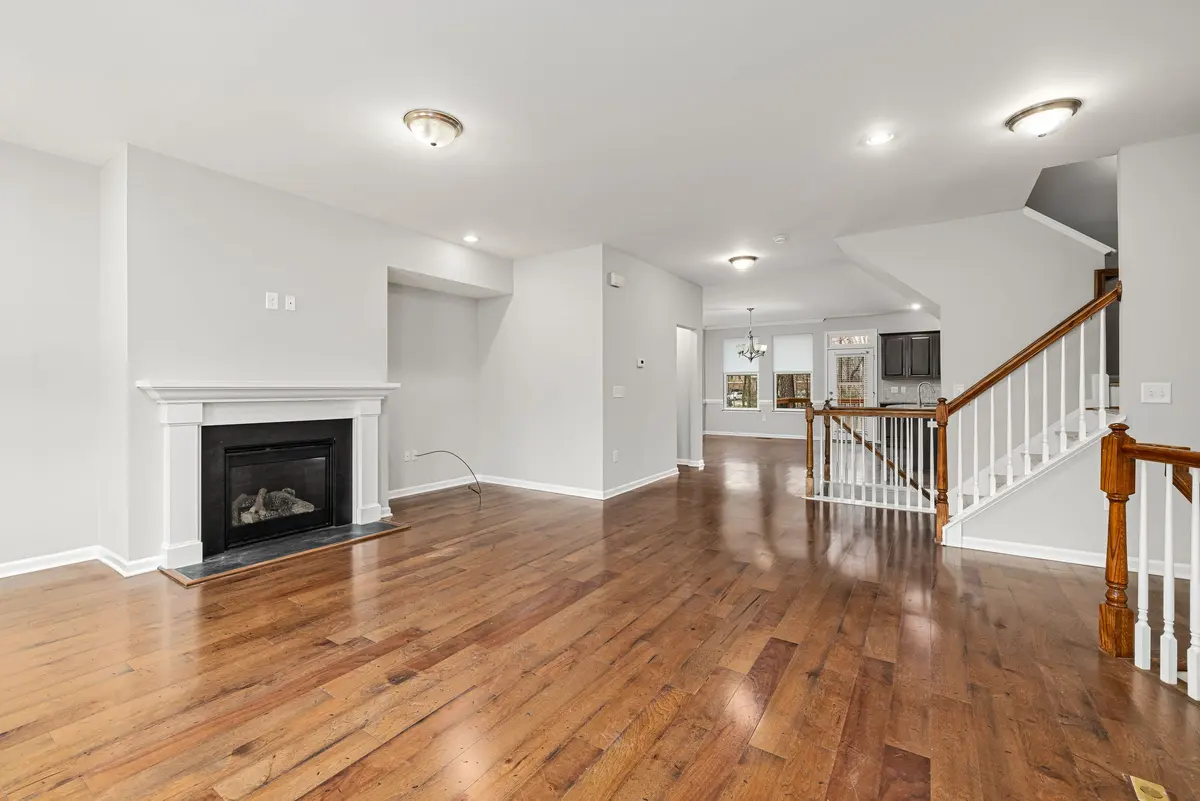
Engineered hardwood is real wood on top of a dimensionally stable plywood core. It looks the same as solid hardwood underfoot, but it is far less likely to cup, gap or buckle when humidity swings, which makes it a smart pick for a region that sees rain and moisture most of the year. That is why we often recommend it for basements, slab-on-grade homes, kitchens and rooms with radiant heat.
Vancouver Flooring Co. carries engineered hardwood from trusted manufacturers including Shaw Floors, and Bill brings samples straight to your Clark County home for a free in-home estimate.
Why homeowners choose engineered hardwood
Engineered hardwood gives you most of what solid wood offers with a lot less sensitivity to wet Pacific Northwest weather.
- Stable on concrete slabs and over radiant heat.
- Available in wider planks than solid wood typically allows.
- Pre-finished at the factory with durable topcoats, so there is no on-site finishing smell or wait.
- Floating, glue-down or nail-down installation, whichever your subfloor needs.
- Can be refinished once or twice, depending on the thickness of the wear layer.
Engineered vs solid hardwood
Solid hardwood is one piece of wood from top to bottom. It suits wood subfloors above grade and can be sanded and refinished many times over its life. Engineered hardwood has a real-wood wear layer bonded to a layered core, which makes it more dimensionally stable and lets it go over concrete or below grade with the right preparation.
Neither is better everywhere. Over a well-ventilated crawlspace on the main floor, solid hardwood is a classic choice. Over a slab, in a basement, or anywhere humidity moves around through the year, engineered is usually the safer floor. Bill can bring both side by side so you see the real difference before you decide.
Species, widths and finishes
Most engineered hardwood we install is oak, though maple, walnut and hickory are all available. Plank widths run from a classic narrower board up to wide designer planks, and finishes range from clear matte to wire-brushed and hand-scraped looks.
Where engineered hardwood fits in a Clark County home
Many homes around Vancouver, Camas and Battle Ground sit on a crawlspace, and many newer builds and basements sit on a concrete slab. Both affect what a wood floor goes through. A crawlspace with poor ventilation pushes moisture up into the subfloor every wet season; a slab can hold moisture for years. Engineered hardwood copes with both far better than solid wood, provided the moisture is measured and managed first.
- Main floors over a crawlspace: engineered or solid, once moisture readings are in range.
- Slab-on-grade homes and daylight basements: engineered, glued down or floated over a moisture barrier.
- Kitchens and open plans: engineered, for stability where temperature and humidity move around the most.
- Second floors and bedrooms: either, chosen on look, budget and how often you might refinish.
Caring for engineered hardwood
Day-to-day care is the same as any wood floor. Sweep or vacuum grit before it scratches, use a slightly damp microfiber mop rather than a wet one, and put felt pads under chair and table legs. Mats at entry doors make the biggest difference through a wet Northwest winter. Keep indoor humidity reasonably steady, and the floor will stay flat and tight for years.
How we install it
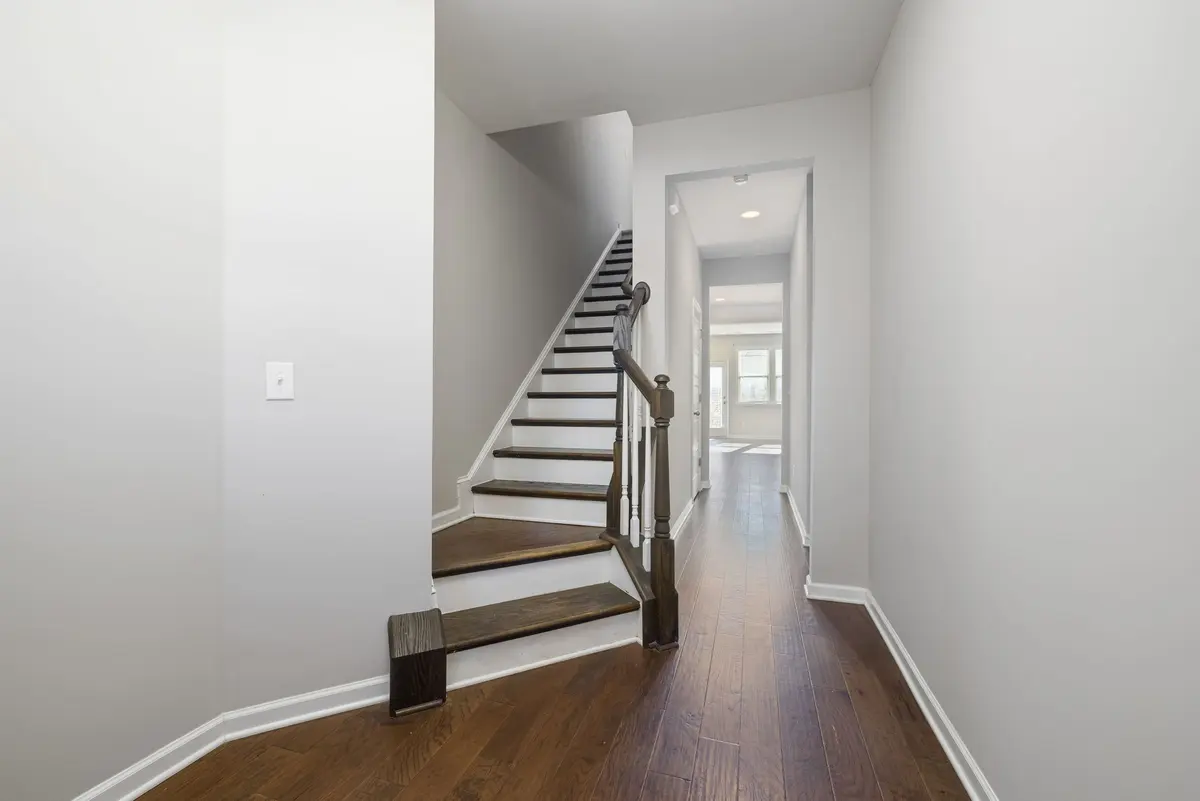
We check your subfloor before we recommend anything: moisture testing on concrete and flatness checks on plywood. Then we advise floating, glue-down or nail-down based on what will actually perform in your home. Removal of your existing floor and the trim work around the room are planned into the quote, so there are no surprises on installation day. If you have stairs to finish too, we match treads and nosings to the new floor.