
Floor removal & demo
Floor removal & demo is the part of a flooring project nobody pictures when they start, and it quietly decides how well the new floor performs. We plan removal as the first phase of your project: what is coming up, what might be found underneath, how dust and debris will be handled, and what the subfloor needs before your new floor goes down.

The new floor starts with what comes out
Every new floor depends on the surface beneath it. Manufacturers set specific requirements for subfloor flatness, soundness and moisture, and a floor installed over a substrate that does not meet them is far more likely to squeak, separate, cup or wear unevenly. Removing the old floor properly is how you get to a surface that meets those requirements.
It is also the stage with the most unknowns. We can see the carpet in a bedroom or the vinyl in a kitchen, but we cannot always see what was installed beneath it during an earlier remodel. There may be another layer of flooring, a glued-down product, old hardwood worth saving, or a subfloor that has seen water. Planning for those possibilities up front, and telling you what we find as we find it, is how removal stays a step in the project rather than a source of surprises.
We can see the carpet in a bedroom or the vinyl in a kitchen, but we cannot always see what was installed beneath it during an earlier remodel.
This is one of the clearest examples of what we mean by planning the whole project, not just the product. The flooring you choose is only as good as the work done before it arrives.
Different floors, different removal work
Carpet and pad
Carpet comes up in sections, followed by the pad, the tack strip around the room and every staple left in the subfloor. That last step is easy to rush and important to get right, because a missed staple can show through or wear into a new hard floor from underneath. Once the carpet is gone, we also get our first real look at the subfloor and, in some older homes, the hardwood that may be hiding beneath it.
Glued-down floors
Glued sheet vinyl, glue-down plank and glued engineered wood leave adhesive behind. New adhesives and underlayments do not reliably bond to or sit flat over old adhesive, so residue often needs to be removed or the surface prepared before the next floor goes down. The amount of work depends heavily on what was used and how well it is bonded.
Nailed hardwood and floating floors
Nailed-down hardwood comes up board by board, and the fasteners left behind have to be pulled or set below the surface. Floating floors such as laminate and many vinyl planks come up more easily and usually leave the subfloor relatively clean, though the underlayment beneath them may reveal moisture or flatness issues that were hidden.
Older flooring materials
In older homes, some resilient flooring and the adhesives used beneath it can contain asbestos. When we suspect older materials, we recommend testing before anything is disturbed. If a test comes back positive, removal needs to be handled by a licensed abatement professional before flooring work continues. It is a careful step, and it is the right one.
Glued sheet vinyl, glue-down plank and glued engineered wood leave adhesive behind.
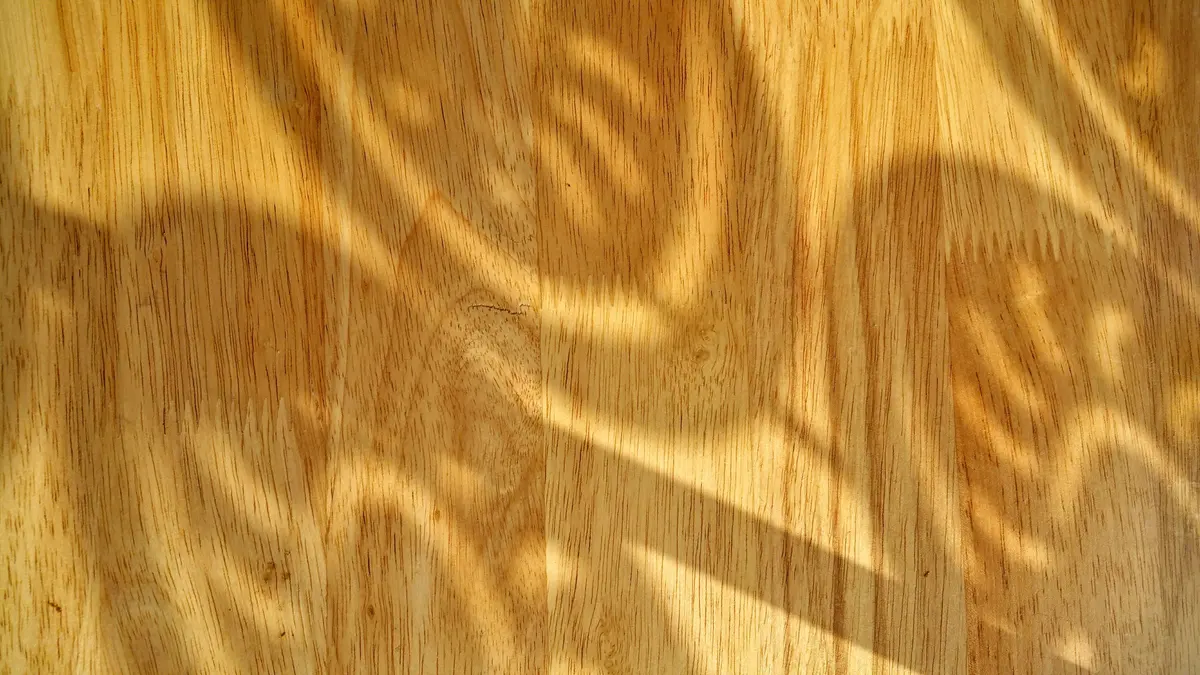
From demolition to a ready subfloor
Protecting the rest of the house
Removal is the dustiest and noisiest part of a flooring project, and it happens in a home people are often still living in. We plan which rooms are affected, how pathways and adjacent floors will be protected, and how vents and doorways will be covered to keep dust where the work is. Debris handling is discussed and written into the plan, so you know exactly what happens to the old floor.
Assessing what is underneath
Once the old floor is up, we inspect the subfloor for loose or damaged panels, signs of past water, squeaks, and areas that are out of flat. In homes over crawlspaces, this is also when we may recommend a look at what is happening below, since moisture there affects every floor above. If we find something that needs attention, we explain it, show you, and agree on the approach before moving forward.
Preparing for the new floor
Preparation is matched to the floor that is coming. Hardwood needs a sound, fastened subfloor within moisture range. Click-together planks need a flat surface within the manufacturer's tolerance, which may mean grinding high spots or filling low ones. Carpet is more forgiving of small variation but still needs a clean, solid base. When the subfloor meets the requirements, installation begins on a foundation that gives your new floor its best chance of lasting.
Once the old floor is up, we inspect the subfloor for loose or damaged panels, signs of past water, squeaks, and areas that are out of flat.
What homeowners say
"I am so happy with my floors, they are beautiful! They take pride in their work. They showed up when they said they would and cleaned while they worked. All that is left were absolutely beautiful floors. I am very pleased and thankful for how good of a job they did! I will work with them again if I ever need to."
Laura Manzano · via Google "Bill from Vancouver Flooring Co., delivered a great carpet (Shaw) at a reasonable price. Was top notch communicable throughout the project and was always there to answer my questions. The crew he had do the install (Kevin and his crew) were just an extension of what Bill delivered. No hiccups and delivered on time. Can't say enough about Vancouver Flooring Co. It's so nice, especially now days to have a company with this integrity provide a 5 star install from beginning to end. Would highly recommend Vancouver Flooring Co. and Bill for all of your flooring needs."
Kevin Abbe · via Google
Floor removal & demo questions
Is floor removal included in my flooring project?
Removal is planned as part of your project, and we spell out in the scope what is being removed, how it will be handled and what preparation the subfloor needs. That way the full picture is clear before work begins.
What if you find something unexpected under my old floor?
It happens, especially in older homes or homes that have been remodeled before. If we find damage, moisture, another layer of flooring or anything else that affects the plan, we stop, show you, explain the options and agree on the next step together.
Can my old flooring contain asbestos?
Some older resilient flooring and adhesives can. If we suspect older materials, we recommend testing before they are disturbed. A positive result means removal is handled by a licensed abatement professional before flooring work continues.
How much dust should I expect?
Removal does create dust and noise. We plan containment for the affected rooms, protect pathways and vents, and walk you through what the day will look like so you can plan around it.
Flexible financing available
Programs through Service Finance, subject to credit approval. Offers change through the year — ask what is available now.
Floor removal & demo by city
- Vancouver Floor removal & demo
- Longview Floor removal & demo
- Camas Floor removal & demo
- Battle Ground Floor removal & demo
- Washougal Floor removal & demo
- Kelso Floor removal & demo
- Ridgefield Floor removal & demo
- Woodland Floor removal & demo
- La Center Floor removal & demo
- Kalama Floor removal & demo
- Brush Prairie Floor removal & demo
- Castle Rock Floor removal & demo
- Yacolt Floor removal & demo
Other services
-
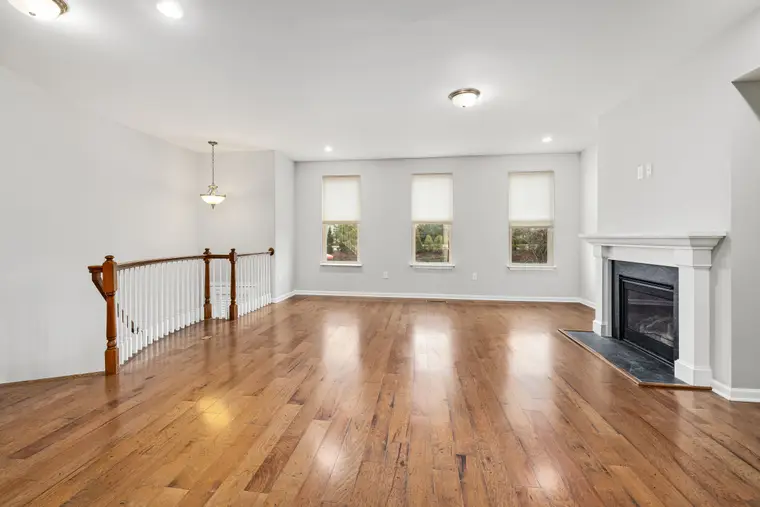
Hardwood installation
Solid and engineered hardwood chosen to suit your home, how you live in it and the subfloor underneath, then installed with proper acclimation.
Learn more → -
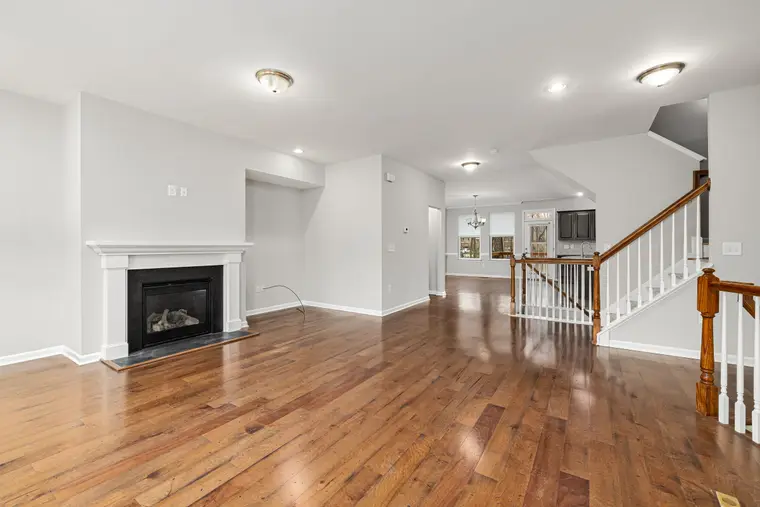
Hardwood refinishing & sanding
An honest first look at whether your hardwood can be refinished, then sanding, stain and finish to bring an existing floor back.
Learn more → -
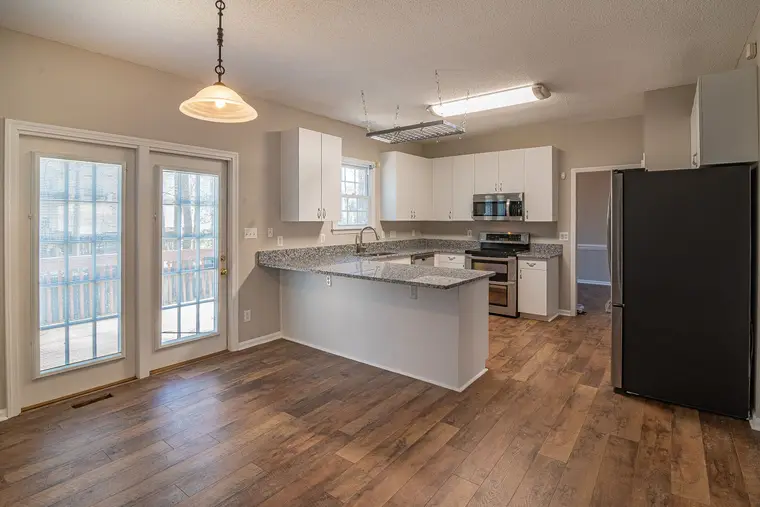
Luxury vinyl plank (LVP)
Luxury vinyl plank where it genuinely fits — busy kitchens, basements, pets — with the subfloor prep that keeps it flat and quiet.
Learn more → -
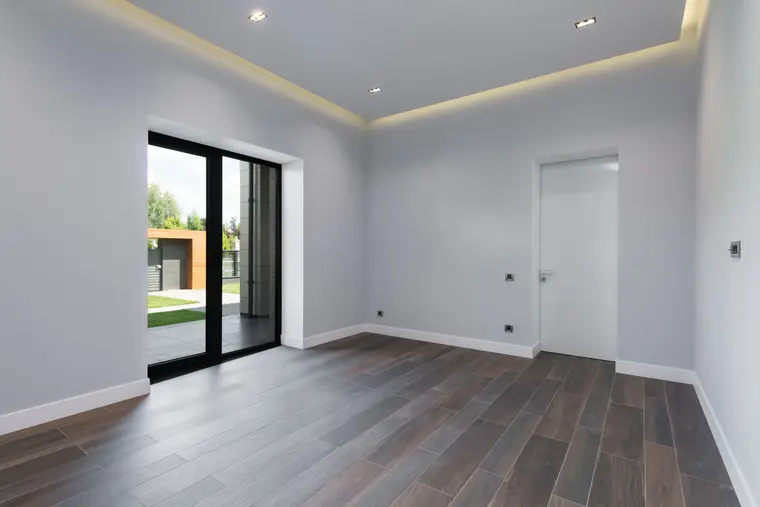
Laminate
Modern laminate for rooms that need durability on a budget, with straight advice on where it performs well and where it does not.
Learn more → -
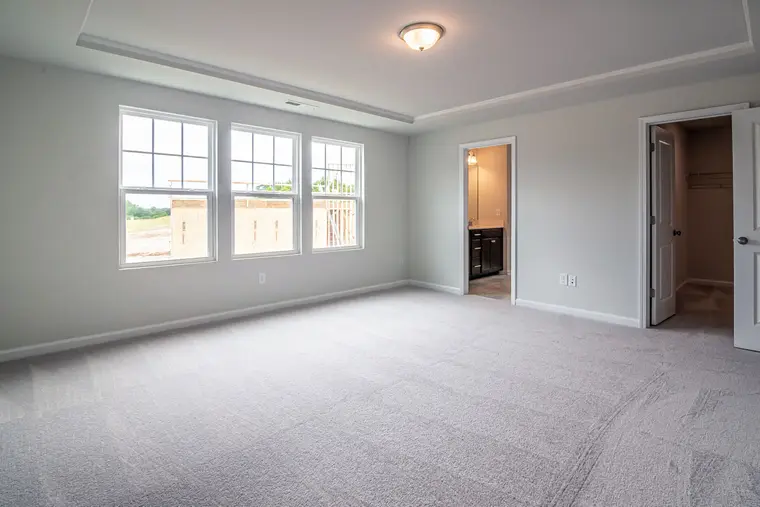
Carpet
Carpet and cushion chosen room by room for comfort and wear, including wool and other natural fibers, with area rugs to finish a space.
Learn more → -
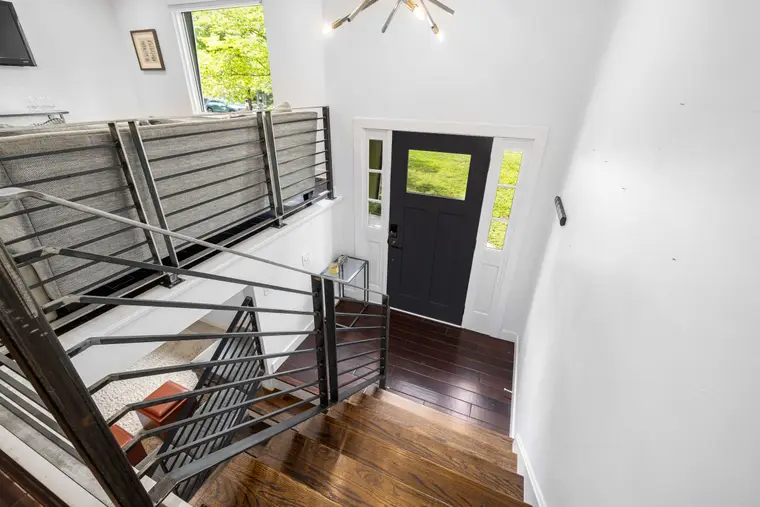
Stairs & trim
Stairs treated as their own project — carpeted, hardwood or with a runner — plus the trim and transitions that make a floor look finished.
Learn more →
Ready to plan your flooring project?
Book a free in-home estimate. We bring the samples, measure, and help you narrow the choice — calmly, with no pressure.