
Hardwood installation
Hardwood installation is a decision you live with for decades, so we treat it as a project rather than a product pick. We help you narrow species, width, construction and finish to the few choices that suit your home and the way you live in it, then plan the subfloor, moisture and transition work before a single board is ordered.
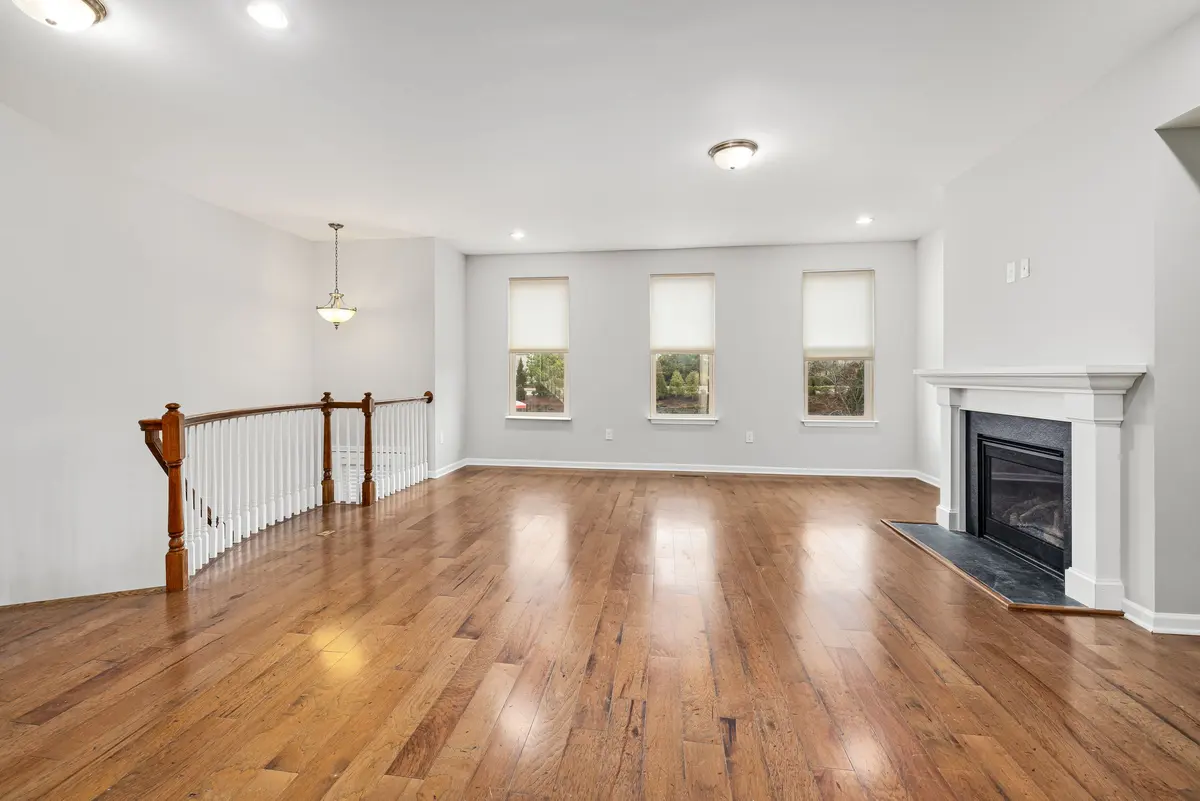
Most of a good hardwood floor is decided before installation day
Too many choices is its own problem
Walk into any flooring showroom and hardwood looks like an endless wall of samples: a dozen species, five widths, smooth or wire-brushed, matte or satin, solid or engineered, prefinished or finished on site. Most homeowners arrive having already looked at hundreds of photos and feeling less sure than when they started. That uncertainty is the thing we set out to reduce.
So we do not start with the wall. We start with your house: which rooms, what sits next to them, how much light comes in, whether there are kids or dogs, whether the floor will run into a kitchen, and what you want the space to feel like when it is done. Those answers usually take the realistic options from hundreds down to three or four, and choosing among three or four good options is a calm decision rather than a stressful one.
Solid or engineered is a question about the house, not about quality
Solid hardwood is a single piece of wood through its full thickness. It can be sanded and refinished many times over its life, and it is the traditional choice on wood subfloors above grade. Engineered hardwood has a real wood wear layer bonded to a stable core, which makes it far less prone to moving with seasonal humidity and allows it to go places solid wood should not, such as over concrete or in a finished basement.
Neither one is the premium choice by default. A well-made engineered floor with a thick wear layer can be the better floor in a house with a slab or a damp crawlspace, and a solid floor can be the better floor in a hundred-year-old home where it will be refinished for generations. We explain the tradeoffs for your specific rooms and let you make the call with the full picture.
Reading the house: crawlspaces, slabs and second floors
Main floors over a crawlspace
Many homes in Clark and Cowlitz counties sit over a vented crawlspace, and our long, damp winters mean that crawlspace is often carrying more moisture than people realise. Wood takes on and gives off moisture with the air around it, so a floor installed over a wet crawlspace can cup, gap or squeak once the seasons turn.
Before we recommend a product for a main floor, we want to know what is happening underneath: whether there is a vapor barrier on the ground, whether it is intact, and what our moisture readings say about the subfloor itself. Sometimes the answer is simply to proceed. Sometimes it is to address the crawlspace first or to choose an engineered product that tolerates the conditions better. Either way, you hear it before the boards arrive rather than after the floor moves.
Upper floors and open layouts
Upstairs bedrooms and hallways are usually the friendliest places for hardwood: stable framing, no ground moisture, lower traffic. The questions there are about sound and continuity. Hardwood carries footsteps to the rooms below more than carpet does, so we talk through underlayment and where an area rug might belong.
In open-plan main floors, the bigger question is where the floor starts and stops. A single species running from entry through living room into the kitchen looks calm and intentional; three different floors meeting at odd angles does not. We plan those runs and transitions on paper first, so the layout makes sense when you stand in the room.
Concrete and below grade
Solid hardwood does not belong directly on concrete or below grade. Engineered hardwood can work in those spaces with the right moisture testing and installation method, and we will tell you honestly when a space is better suited to something else entirely.
Upstairs bedrooms and hallways are usually the friendliest places for hardwood: stable framing, no ground moisture, lower traffic.
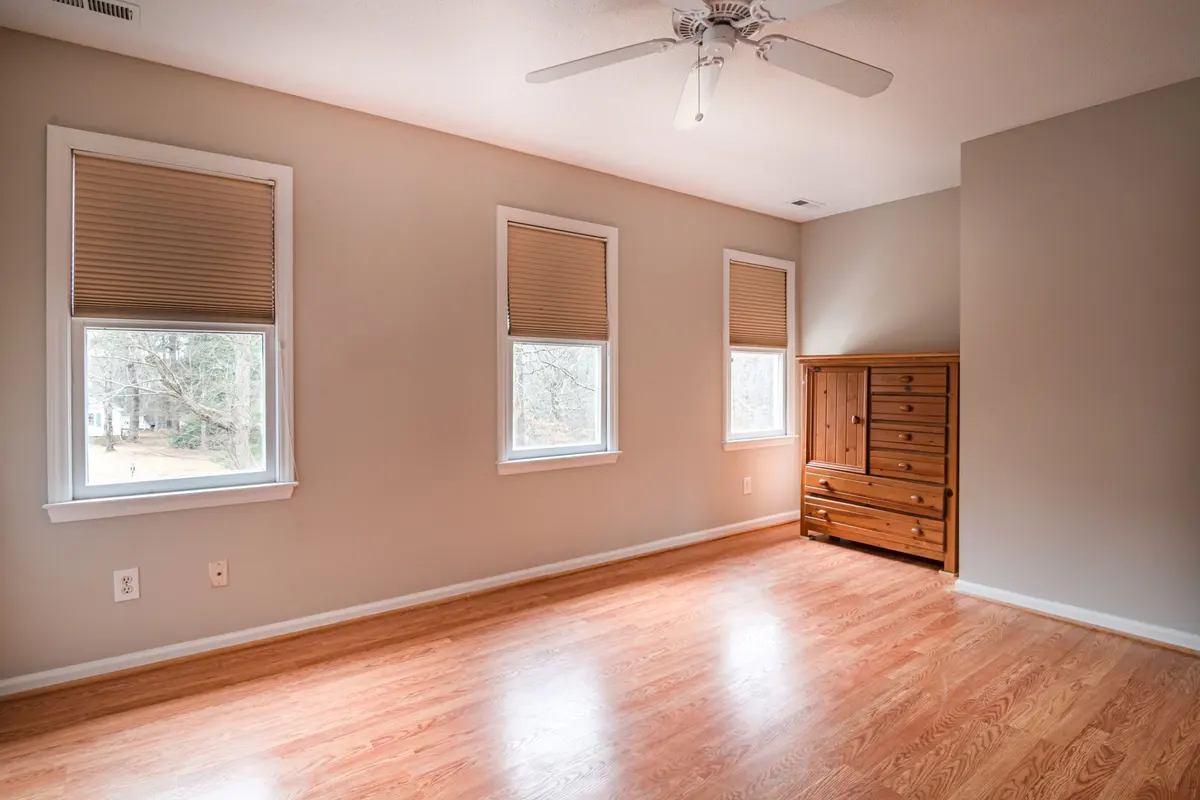
Acclimation, layout and the details you notice for years
Moisture first, then acclimation
Wood needs to be close to the moisture conditions of the house it is going into. We take readings on the subfloor and the flooring, and we follow the manufacturer's acclimation and installation requirements for the product you choose. On some products that means the material sits in the home for a period before installation; on others it means confirming the readings are already within range. The goal is the same: a floor that is installed in balance with the house so it does not fight the seasons.
Flat, sound and quiet underneath
A hardwood floor inherits everything about the subfloor beneath it, so that is where the work begins. We check for flatness, loose panels and fasteners, and the kind of movement that turns into squeaks later. Anything that needs attention is identified during planning and written into the scope, so it is part of the plan rather than a surprise halfway through.
Layout, transitions and finishing
Board direction, starting lines, how the floor meets stairs, doorways, fireplaces and other flooring, and how baseboards and trim are handled all get decided ahead of time. These are the details that separate a floor that looks installed from one that looks like it was always part of the house.
When the floor is down, we walk it with you, go over care and what to expect as the seasons change, and make sure everything you were told at the start is what you see at the finish. Accountability from the first conversation to that final walkthrough is the whole point of working with one team.
A hardwood floor inherits everything about the subfloor beneath it, so that is where the work begins.
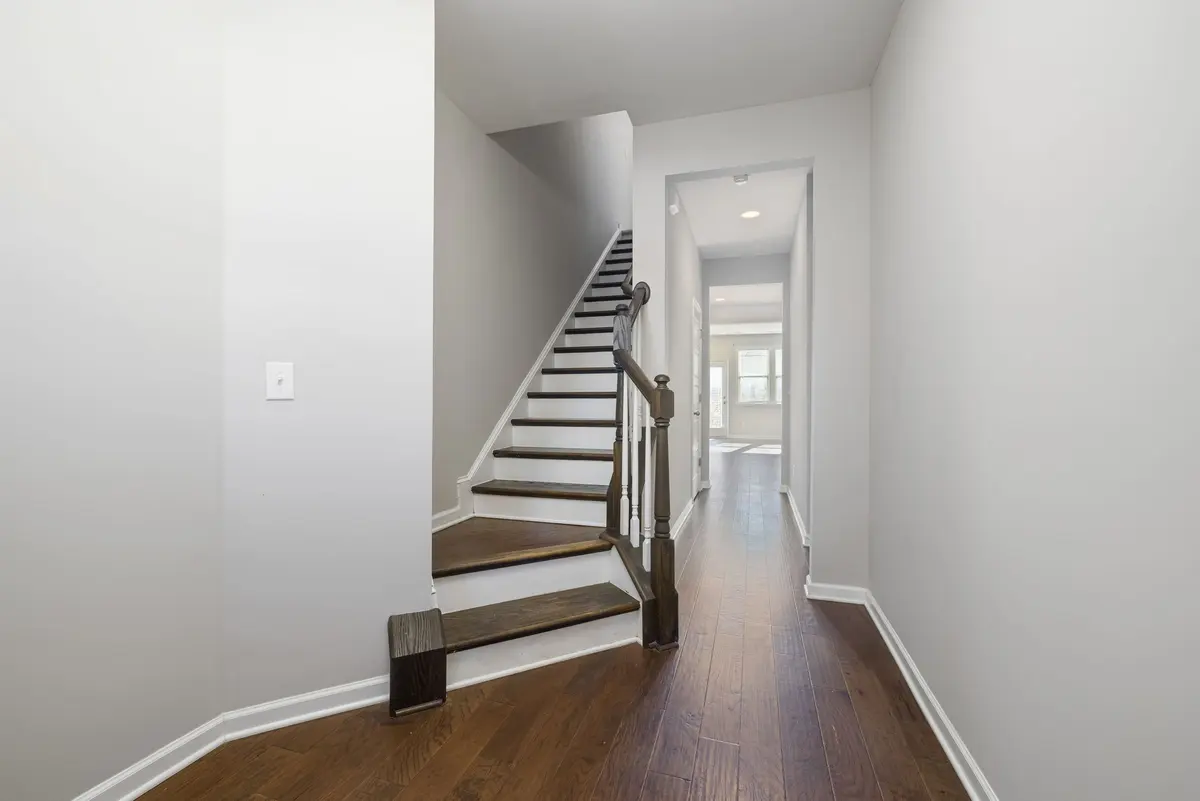
What homeowners say
"I am so happy with my floors, they are beautiful! They take pride in their work. They showed up when they said they would and cleaned while they worked. All that is left were absolutely beautiful floors. I am very pleased and thankful for how good of a job they did! I will work with them again if I ever need to."
Laura Manzano · via Google "Bill from Vancouver Flooring Co., delivered a great carpet (Shaw) at a reasonable price. Was top notch communicable throughout the project and was always there to answer my questions. The crew he had do the install (Kevin and his crew) were just an extension of what Bill delivered. No hiccups and delivered on time. Can't say enough about Vancouver Flooring Co. It's so nice, especially now days to have a company with this integrity provide a 5 star install from beginning to end. Would highly recommend Vancouver Flooring Co. and Bill for all of your flooring needs."
Kevin Abbe · via Google
Hardwood installation questions
Should I choose solid or engineered hardwood?
It depends on the room and what is underneath it. Solid hardwood suits wood subfloors above grade and can be refinished many times. Engineered hardwood is more dimensionally stable and can go over concrete or below grade with the right preparation. We look at your specific rooms, moisture readings and plans for the space before recommending either.
Why does moisture matter so much for hardwood in Southwest Washington?
Wood expands and contracts with the moisture around it, and our wet winters and drier summers put that to work every year. Homes over crawlspaces can carry extra moisture into the subfloor. We take moisture readings and look at the crawlspace before installation so the floor goes in balanced with the house, which is what keeps it flat and tight over time.
Can you help me choose a species and color without seeing hundreds of samples?
Yes, and that is how we prefer to work. We ask about your light, your rooms, your household and your budget, then narrow the field to a short list of strong options. Consultations are by appointment, which gives us time to look at samples together rather than walking a wall of them.
Do you install hardwood in Oregon?
No. We are licensed as a contractor in Washington (license VANCOFC745D3) and work in Clark and Cowlitz counties. Oregon requires a separate contractor license, so we do not take projects there.
Is financing available for a hardwood project?
Financing is available through Service Finance, subject to credit approval. Programs change seasonally, so we share the current options during your consultation rather than quoting terms here.
Flexible financing available
Programs through Service Finance, subject to credit approval. Offers change through the year — ask what is available now.
Hardwood installation by city
- Vancouver Hardwood installation
- Longview Hardwood installation
- Camas Hardwood installation
- Battle Ground Hardwood installation
- Washougal Hardwood installation
- Kelso Hardwood installation
- Ridgefield Hardwood installation
- Woodland Hardwood installation
- La Center Hardwood installation
- Kalama Hardwood installation
- Brush Prairie Hardwood installation
- Castle Rock Hardwood installation
- Yacolt Hardwood installation
Other services
-
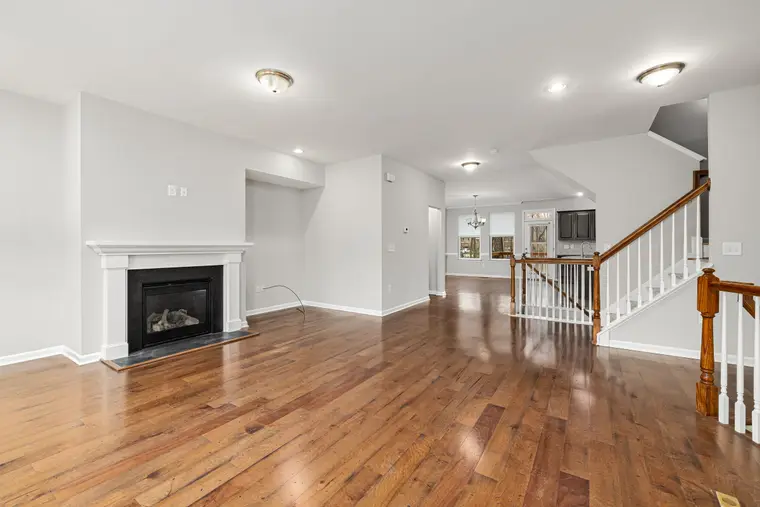
Hardwood refinishing & sanding
An honest first look at whether your hardwood can be refinished, then sanding, stain and finish to bring an existing floor back.
Learn more → -
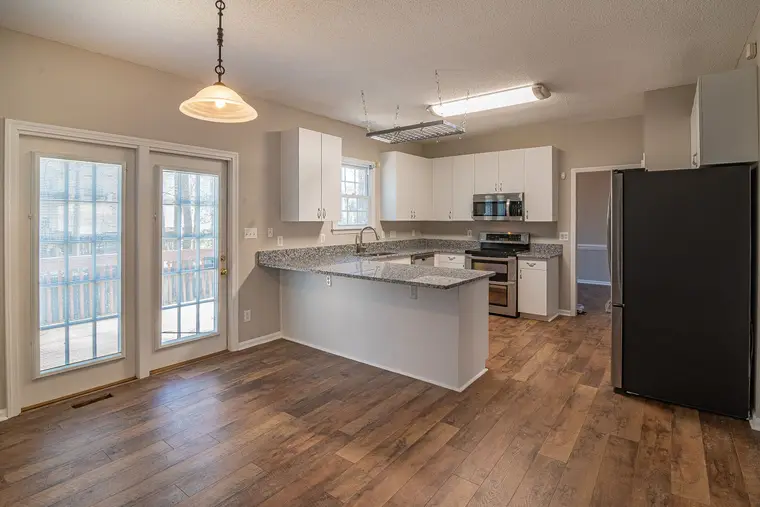
Luxury vinyl plank (LVP)
Luxury vinyl plank where it genuinely fits — busy kitchens, basements, pets — with the subfloor prep that keeps it flat and quiet.
Learn more → -
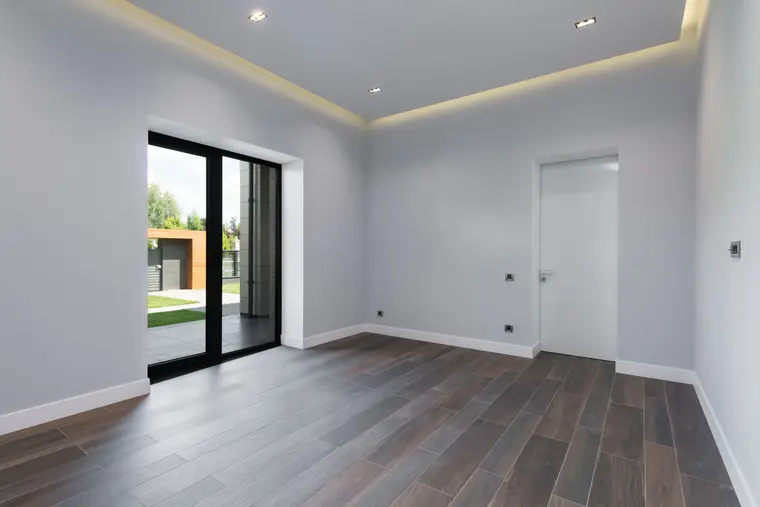
Laminate
Modern laminate for rooms that need durability on a budget, with straight advice on where it performs well and where it does not.
Learn more → -
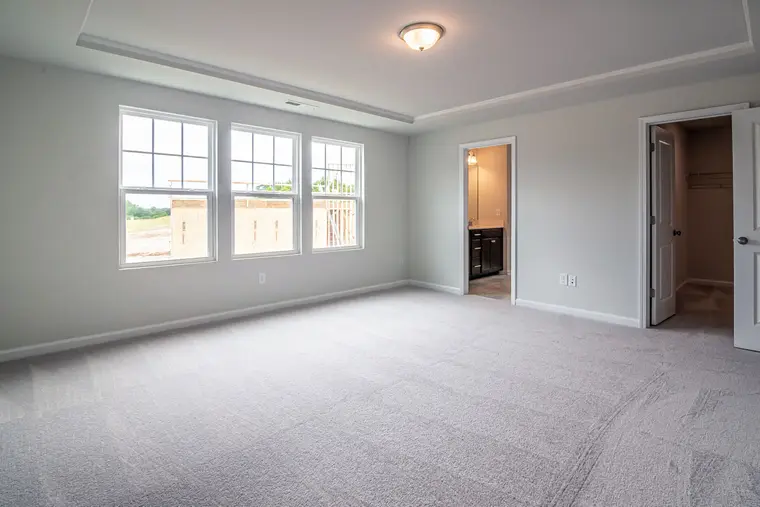
Carpet
Carpet and cushion chosen room by room for comfort and wear, including wool and other natural fibers, with area rugs to finish a space.
Learn more → -
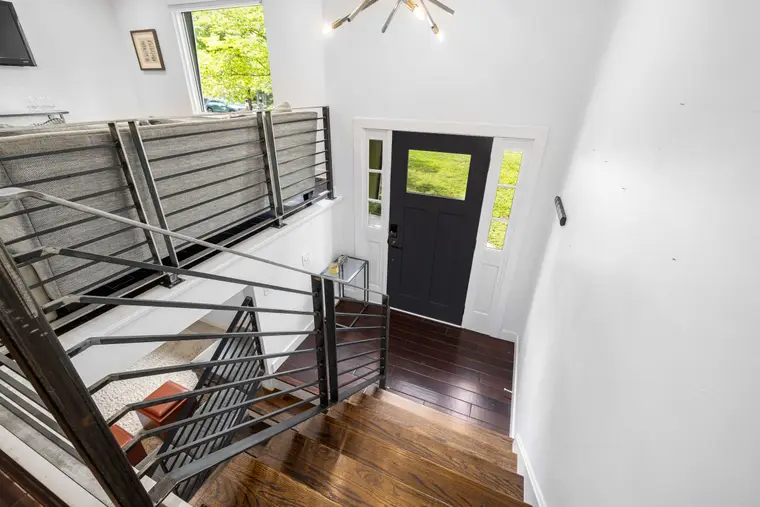
Stairs & trim
Stairs treated as their own project — carpeted, hardwood or with a runner — plus the trim and transitions that make a floor look finished.
Learn more → -

Commercial flooring
Flooring for small offices, studios and suites across Clark and Cowlitz counties, planned around your hours and handled by the same team.
Learn more →
Ready to plan your flooring project?
Book a free in-home estimate. We bring the samples, measure, and help you narrow the choice — calmly, with no pressure.